
Accept or Convert The Stallion Parable
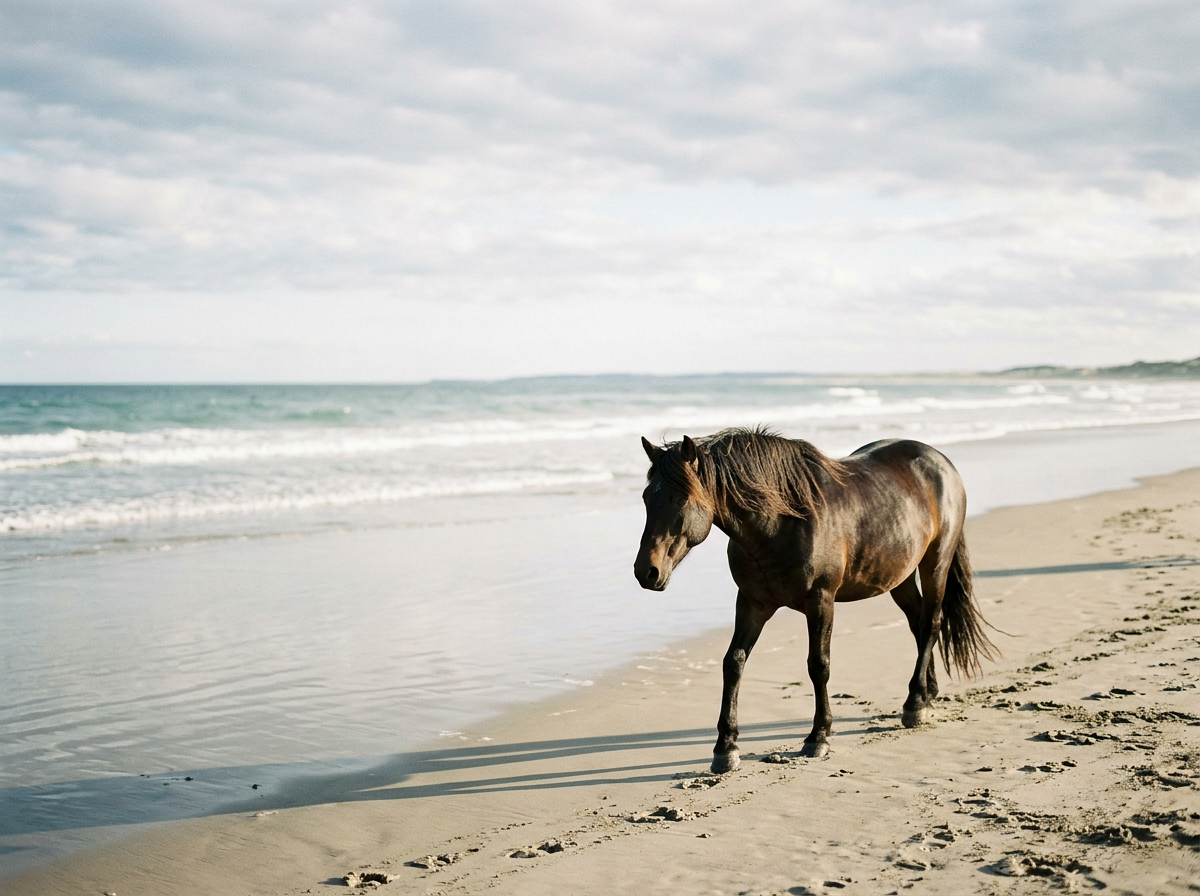
The Stallion Parable—often called the "Story of the Chinese Farmer" or Sai Weng Lost His Horse (塞翁失馬)—is an ancient Taoist tale from the 2nd-century BCE text Huainanzi. It illustrates how good and bad fortune are fluid, reminding us not to judge life's unpredictable twists too quickly.
The Story
The runaway horse: A farmer's prized stallion runs away. Neighbors lament the terrible bad luck. The farmer replies, "Maybe…" “We’ll see…”
The wild horses return: The stallion comes back bringing several wild horses with it. Neighbors celebrate the great fortune. The farmer replies, "Maybe." “We’ll see…”
The injured son: While trying to tame one wild horse, the farmer's son breaks his leg. Neighbors call it tragic. The farmer replies, "Maybe." “We’ll see…”
The military draft: Soldiers arrive to force young men into a bloody war, but they pass on the son because of his broken leg. Neighbors marvel at the luck. The farmer replies, "Maybe." “We’ll see…”
Core Lessons
Suspend judgment: We rarely know the long-term consequence of any single event when it happens.
Embrace impermanence: Life flows like a river with calm and rough stretches; labeling a moment as permanently good or bad is often not accurate, nor helpful.
Accept or Convert. “Accept” the present moment instead of fighting how things unfold. Or “Convert” the setback into discovering the “gift of opportunity” or “possibilities” that something better is around the corner despite how it “feels” in the moment.